The 1980s marked the rise of alternative music, emerging from post-punk roots and underground scenes, with influential artists like R.E.M., The Cure, and The Smiths paving the way for the '90s explosion. A list of the top 25 alternative songs highlights the decade's impact on the genre.
Top 25 Alternative Songs of the 1990s
The 1990s marked a revolutionary era for alternative music, transitioning from underground scenes to mainstream acclaim through influential genres like grunge and Britpop. Key tracks such as Nirvana's "Smells Like Teen Spirit" and Oasis's "Wonderwall" defined the decade, impacting culture and inspiring future artists. This era remains pivotal in music history.
Ranking the 1990s: The Best Years for Alternative Music
The 1990s marked the explosion of alternative music into the mainstream, driven by key releases and influential artists like Nirvana and Radiohead. The decade featured distinct phases, from grunge dominance in 1991 and Britpop in 1995 to the genre's evolution by the late '90s, shaping its lasting impact on rock music.
Ranking the 1980s: The Best Years for Alternative Music
The 1980s marked a pivotal shift for alternative music, transforming from college radio staples into a major force in rock. This decade saw the rise of diverse sounds like indie rock and gothic vibes, with 1987 standing out as a peak year with U2's The Joshua Tree and The Cure's Kiss Me, Kiss Me, Kiss Me. Landmark albums from this time laid the groundwork for future alternative music breakthroughs.
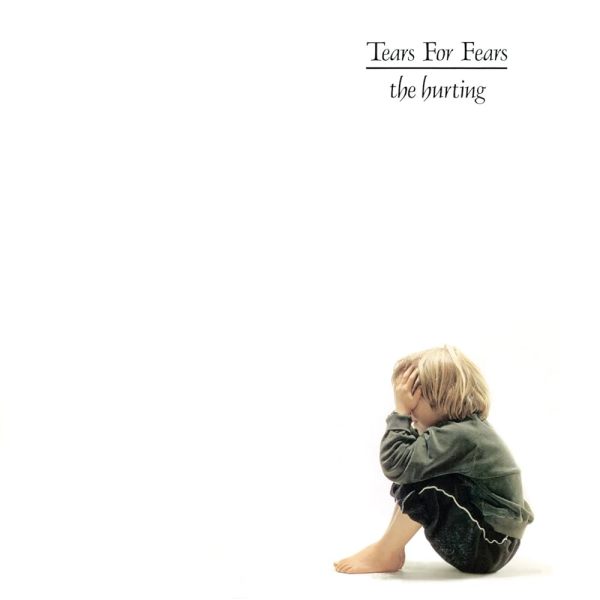
The Hurting Introduced a Dark, Emotional Edge to 1980s Pop
Tears for Fears' debut album, The Hurting, released in 1983, combined synth-pop melodies with introspective lyrics about trauma and emotional healing. Influenced by Primal Therapy, it featured hits like "Mad World" and "Change." The album's success established the duo as a major force in the 1980s music landscape, influencing future genres.
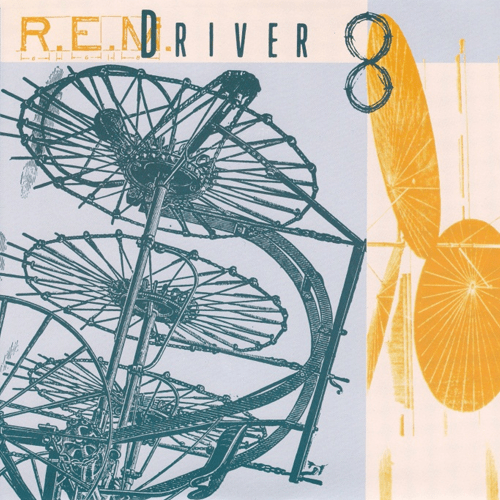
Automatic for the People to Out of Time: A Tale of Two REMs
R.E.M. transformed from a quirky indie band in the 1980s, defined by jangly guitars and cryptic lyrics, to global superstars in the 1990s, featuring clearer production and more direct themes. Their evolution reflects creative growth while maintaining strong songwriting, making them a defining musical force across two iconic decades.
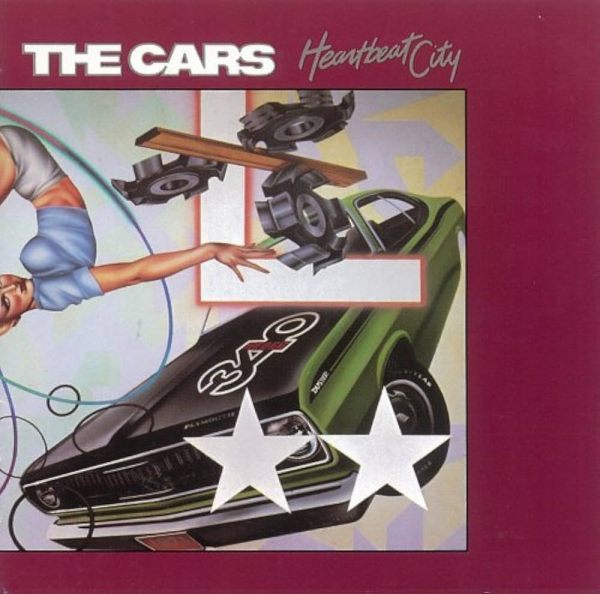
High-Gloss Perfection: How The Cars Redefined the 80s with ‘Heartbeat City’
In 1984, The Cars released "Heartbeat City," their fifth album, after switching producers to Robert John "Mutt" Lange. The album showcased a polished pop sound, moving away from their previous rock style. Featuring five Top 40 singles, including "You Might Think" and "Drive," it remains a landmark in intelligent pop music.
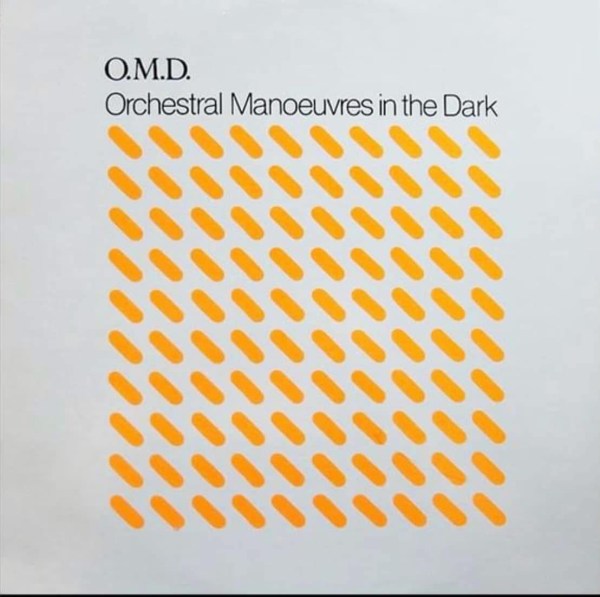
Synth-Pop Blueprint: Orchestral Manoeuvres in the Dark’s Self-Titled Debut Turns 46
Orchestral Manoeuvres in the Dark's debut album, released in 1980, was a pivotal moment in synth-pop history. Emerging from late-1970s Britain, the Wirral duo Andy McCluskey and Paul Humphreys crafted an album that was both emotionally direct and technologically advanced.
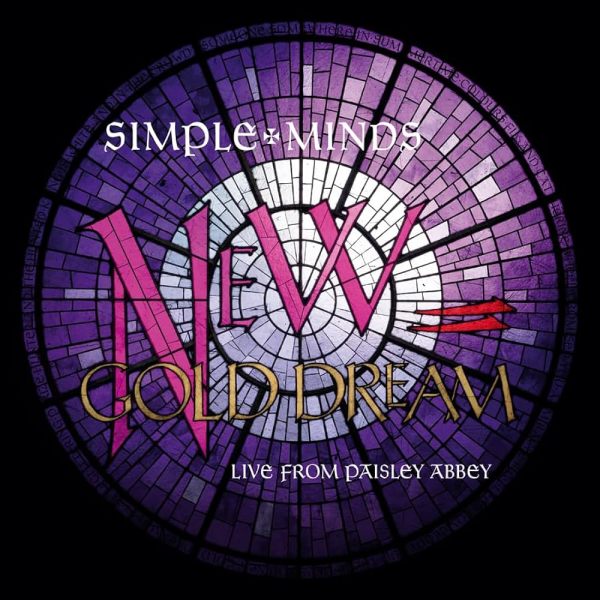
Someone, Somewhere in Summertime — Simple Minds’ Dreamy Classic Reimagined at Paisley Abbey
Simple Minds' "Someone, Somewhere in Summertime," released in 1982, is a cherished track for its emotional depth and introspective atmosphere, peaking at No. 36 in the UK charts. Its recent performance in Paisley Abbey revitalizes the song, blending its evocative sound with the grandeur of historic architecture, emphasizing its timeless emotional resonance.
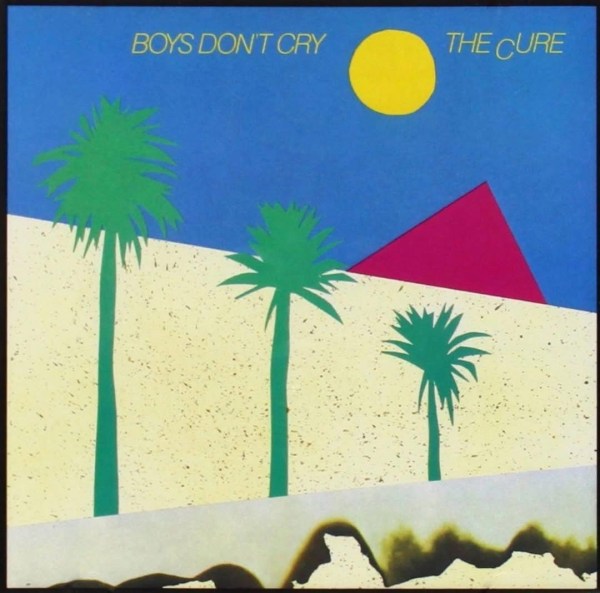
The Cure’s “Boys Don’t Cry” Turns Back the Clock on Post-Punk Brilliance
Released on this day in 1980, The Cure's compilation album Boys Don’t Cry introduced American audiences to the band's haunting sound. Combining early singles and tracks, it showcased the band's emotional depth and minimalist style. The album became a crucial bridge between punk and alternative rock, influencing the genre's evolution while resonating with new listeners over four decades.

You must be logged in to post a comment.